

If you leave a dentist’s office in Tewksbury with a recommendation for a crown instead of a filling, the reason almost always comes down to one thing: how much healthy tooth structure is left after decay is removed. A filling repairs a damaged area. A crown protects the entire tooth when the remaining structure is too weak to handle biting pressure on its own.
Dr. Elaine Wu, DMD at ReNEW Dental in Tewksbury helps patients understand this decision clearly before any treatment begins. She earned her dental degree with highest honors from Boston University, completed implant and denture training at Virginia Commonwealth University, and is a full graduate of the Kois Center in Seattle, where the guiding principle is advancing dentistry through science.
The difference between a crown and a filling is not just size. It is about how each restoration handles the forces your mouth puts on a tooth every day. Understanding that difference helps you make a confident decision about your own care.
Fillings vs. Crowns: How Each One Protects Your Tooth
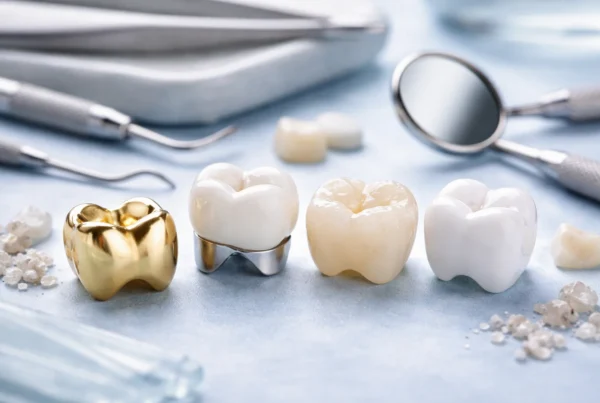
A filling repairs a specific area of damage while leaving the rest of the natural tooth exposed. A crown covers the entire visible surface of the tooth and takes over the job of distributing chewing force evenly. When a tooth has enough healthy enamel surrounding the repair, a filling holds up well. When enamel walls become thin or weak, a filling can put pressure on those walls and lead to fractures over time.
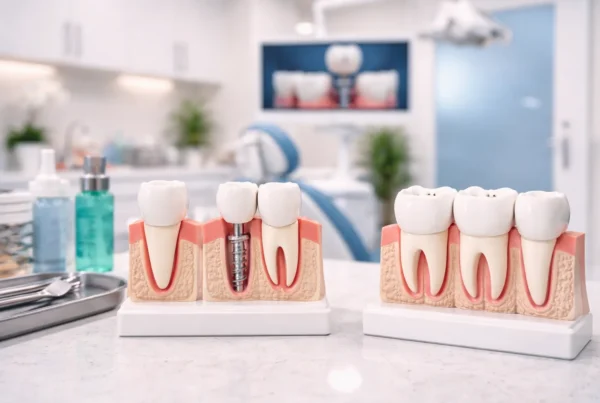
Dentists also consider an option that falls between the two: inlays and onlays. An inlay fills the area between the cusps of a tooth. An onlay extends over one or more cusps. Both are lab-fabricated like crowns but cover less tooth structure. They work well when damage is too large for a standard filling but not severe enough to require full coverage.
| Feature | Filling | Inlay / Onlay | Crown |
| Coverage | Small damaged area | Partial cusp coverage | Entire visible tooth |
| Best Use | Small to moderate cavities | Moderate damage, intact cusps | Large decay or weakened tooth |
| Strength Support | Relies on remaining enamel | Reinforces cusps | Reinforces entire tooth |
| Longevity | Often 5 to 10 years | Often 10 to 15 years | Often 10 to 15 years or longer |
| Procedure Visits | Usually one visit | Typically two visits | Typically two visits |
Knowing where your tooth falls on this range helps explain why a dentist might recommend a crown when you expected a simple filling.
Key Factors That Point Toward a Crown
Dentists evaluate tooth structure, bite forces, and restoration history when deciding between a filling and a crown. The core question is always how much healthy tooth will remain after all decay is removed. Thin enamel walls left behind after a large cavity are at real risk of fracturing under chewing pressure, especially in molars that handle the heaviest occlusal load.
The factors that most often point toward a crown include:
- Size and depth of the cavity relative to the remaining tooth structure
- Amount of healthy enamel left after decay removal
- Location of the tooth and the bite forces it handles daily
- Presence of cracks, cuspal fractures, or structural movement
- History of large fillings or repeated restorations on the same tooth
When several of these factors appear together, the risk of a fracture increases significantly. Patients in Tewksbury Center, North Tewksbury, and Shawsheen Village often ask about this at their first exam, especially when they have older large fillings that were placed years ago. Addressing structural weakness before a fracture occurs avoids more complex treatment later.
Common Situations Where a Crown Becomes Necessary
A very large cavity that removes more than half the chewing surface of a tooth leaves the remaining enamel walls without enough support. Even a well-placed filling cannot fully reinforce walls that have become too thin. In those cases a crown provides cuspal coverage and distributes bite force across the entire restoration rather than concentrating it on weakened enamel.
Cracked teeth follow a similar logic. Pain when biting down or releasing pressure often signals that the tooth is flexing along the crack line. A crown holds the tooth together and prevents the crack from extending deeper toward the root. Without treatment, cracks can split below the gumline and make the tooth unrestorable.
Teeth that have undergone root canal treatment are a third common situation. Root canal therapy removes infected pulp tissue but leaves the tooth more brittle over time. A crown placed over a root canal tooth protects the structure and allows it to function normally for many more years.
When a Filling Is the Right Choice
A filling is the right call when a tooth remains structurally strong after decay is removed. This means only a small or moderate portion of enamel has been affected, the surrounding tooth walls are thick and stable, and there are no signs of cracking or previous large restorations underneath.
Dentists frequently recommend fillings for cavities caught early, for single-surface damage, and for teeth that face lighter biting forces. Many front teeth fall into this category because they handle less pressure than molars. Composite resin fillings in these situations preserve natural tooth structure and hold up well for years when cared for properly. A conservative approach that protects what you already have is always the starting point.
Risks of Choosing a Filling When a Crown Is the Right Call
Patients sometimes request a filling even when their dentist recommends a crown. The treatment may feel simpler in the moment, but structural risks can remain. The tooth may appear repaired while still being vulnerable to fracture under everyday chewing.
The complications that can follow include:
- Tooth fracture under normal biting pressure
- Repeated filling replacements as the restoration fails
- Hidden decay developing beneath a large restoration
- Emergency pain requiring root canal treatment
- Tooth loss if a fracture extends below the gumline
Reinforcing a weakened tooth earlier almost always costs less and causes less disruption than treating the emergency that follows a fracture. This is the thinking behind recommending a crown before a problem becomes a crisis.
What to Expect If You Need a Crown in Tewksbury
Most crowns in a restorative dentistry practice are completed in two visits. During the first appointment, the dentist removes decay and shapes the tooth so the crown seats precisely. A digital scan captures the exact dimensions of the prepared tooth and sends that information to the dental laboratory. A temporary crown protects the tooth in the meantime.
At the second appointment the temporary crown comes off and the permanent restoration is placed. The bite and fit are adjusted carefully before the crown is cemented. With proper brushing, flossing, and regular hygiene visits, a well-placed crown commonly protects a tooth for ten to fifteen years or longer. Patients in Merrimack Meadows and across Tewksbury who invest in a crown over a structurally compromised tooth rarely need to revisit that same tooth again.
Making the Right Decision for Your Tooth
You came in wanting to keep your tooth. That is exactly the right goal, and it is the starting point for every restoration decision Dr. Elaine Wu makes at ReNEW Dental. When a crown is recommended, it means the tooth has a real chance at lasting decades with the right protection. When a filling is enough, that is what gets placed. The recommendation is always based on what gives your tooth the best long-term outcome, not what is quickest or cheapest in the moment.
If you want a clear explanation of what is happening with your tooth and what your real options are, ReNEW Dental is the right place to start. Schedule your complimentary planning consultation with Dr. Wu and leave knowing exactly what your tooth needs and why.
ReNEW Dental
978-451-1500
1201 Main St. Tewksbury, MA 01876
Schedule your consultation today!
Frequently Asked Questions
When does a cavity need a crown instead of a filling?
The deciding factor is how much healthy tooth structure remains after decay is removed. Dentists recommend crowns when more than half the chewing surface is damaged, when enamel walls are too thin to support a filling without fracturing, or when cracks are already present. In these situations a crown distributes bite force across the entire tooth rather than concentrating pressure on weakened enamel. The American Dental Association and Mayo Clinic both note that crowns are appropriate when a tooth no longer has sufficient structure to support a filling long term.
Do large fillings eventually need to be replaced with crowns?
Large fillings remove significant tooth structure and can weaken the surrounding enamel walls over time, particularly in molars that handle heavy chewing pressure. As a filling ages or requires replacement, the remaining tooth walls may become thin enough that fracture risk increases. At that point replacing the filling with a crown gives the tooth full coverage protection and stops further structural loss. The American Dental Association and Harvard Health both reference this progression when discussing long-term restoration planning.
Does a cracked tooth always need a crown?
Not every crack requires a crown. Minor surface cracks without structural movement can often be monitored or repaired with a small restoration. However, cracks that cause pain when biting or releasing pressure signal that the tooth is flexing along the fracture line. In those cases a crown holds the tooth together, stops the crack from spreading, and prevents a split that could make the tooth unrestorable. The American Dental Association and Mayo Clinic both describe cuspal coverage as the standard treatment for symptomatic cracked teeth.
How long does a crown last compared to a filling?
Fillings in small, structurally sound teeth can last many years with good home care. Crowns generally outlast large fillings because they reinforce the entire tooth rather than only repairing one section. With proper brushing, flossing, and routine dental visits, crowns commonly remain functional for ten to fifteen years or longer. Large fillings tend to require replacement sooner due to wear, marginal breakdown, or structural stress on thinning enamel walls. The American Dental Association and Harvard Health reference this difference in their restorative dentistry guidance.