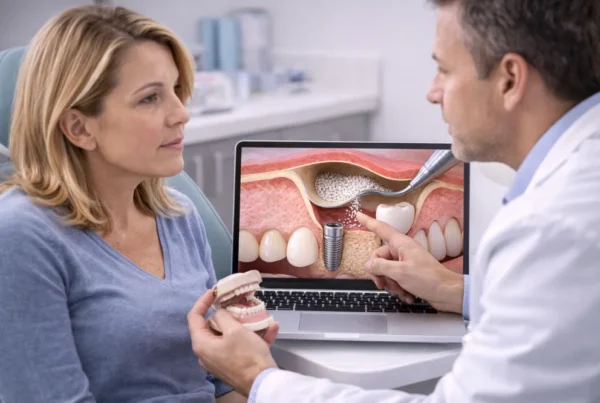


Sinus lift recovery is often the part of the process that patients worry about the most, sometimes even more than the surgery itself. In Tewksbury, MA, many people want to know exactly how healing will feel and how long it will take before life returns to normal. When the recovery timeline is explained clearly, uncertainty is replaced with realistic expectations and steady confidence.
At ReNEW Dental, Dr. Elaine Wu, DMD prepares patients for recovery with the same level of care used to plan the surgery. She explains what sensations are normal, what restrictions matter most, and how healing progresses beneath the surface. Clear communication and thoughtful follow up help patients move through recovery with less stress and more clarity.
What You Can Expect In The First Few Days
The first few days after a sinus lift are usually when you notice the most physical changes. Mild to moderate swelling in the upper jaw and cheek area is common during this period. Some patients also describe a sense of sinus pressure or fullness, which gradually improves as inflammation decreases.
Discomfort is typically manageable with prescribed or recommended medication. Bruising may appear near the cheek or even under the eye, and although it can look dramatic, it usually fades within several days. Resting and limiting activity during this early stage supports smoother healing.
It is also normal to see small traces of blood in nasal discharge during the first day or two. This light spotting does not usually indicate a problem unless bleeding becomes heavy or persistent. Understanding what is expected during these first few days helps reduce unnecessary anxiety.
Protecting The Surgical Area During Early Healing
Because the sinus cavity is involved in the procedure, managing pressure inside the sinus becomes especially important during recovery. Sudden pressure changes can disturb the graft material before it stabilizes fully. That is why specific temporary restrictions are recommended.
Important early precautions include:
- Avoid blowing your nose for at least one to two weeks.
- Sneeze with your mouth open to reduce sinus pressure.
- Avoid drinking through straws during early healing.
- Refrain from heavy lifting or straining for several days.
- Take medications exactly as prescribed.
These precautions are temporary, but they serve a meaningful purpose. They protect the elevated sinus membrane and newly placed graft material while early healing takes place. Following these instructions closely reduces the risk of complications and supports predictable integration.
The First Few Weeks Of Healing
During the first few weeks, swelling continues to decrease and tenderness steadily improves. Sutures may dissolve naturally or be removed during a scheduled follow up visit. Most patients feel comfortable returning to their usual routines with only minor adjustments.
Even though you may feel better externally, healing continues beneath the surface. The graft material is beginning to integrate with your natural bone during this stage. Giving your body time to complete this process helps protect the final outcome.
Bone Integration Over The Following Months
The most important phase of sinus lift recovery happens quietly over several months. During this time, the graft material acts as a scaffold that encourages your body to produce new bone. Gradually, the graft is replaced by living bone tissue that becomes part of your natural jaw structure.
This biological process cannot be rushed, even if the surgical site appears healed on the outside. Imaging is used to confirm when the new bone is strong enough to support an implant. Waiting for full integration protects long term implant stability.
| Healing Stage | What Is Happening | Approximate Timeline |
| Immediate recovery | Swelling and mild discomfort | First few days |
| Early healing | Soft tissue stabilizes | First few weeks |
| Bone integration | Graft converts to stable bone | Several months |
| Implant placement | Implant is placed into integrated bone | After confirmed healing |
Each patient heals at a slightly different pace, and timelines may vary accordingly. Follow up imaging ensures that implant placement occurs at the appropriate time. Allowing full integration reduces the risk of implant complications later.
Signs Of Normal Healing Versus Concern
Knowing what is considered normal can prevent unnecessary stress during recovery. Mild swelling, light bruising, and sinus pressure are expected in the early stages. Gradual improvement from day to day is a reassuring sign that healing is progressing properly.
You should contact your dentist if pain increases instead of improves, if bleeding becomes heavy, or if you develop a fever. Clear communication allows concerns to be addressed quickly and effectively. Early evaluation helps prevent minor issues from becoming larger problems.
Long Term Recovery And Implant Readiness
Sinus lift recovery ultimately prepares the jaw for successful implant placement. Once bone integration is confirmed through imaging, the implant can be placed into stable and healthy bone. The strength of that final result depends heavily on allowing proper healing time.
At ReNEW Dental, Dr. Elaine Wu, DMD guides patients through each stage of recovery with steady communication and careful monitoring. She explains what is happening biologically and confirms readiness before moving forward with the next step. If you have questions about sinus lift recovery or your personal timeline, call 978-451-1500 to schedule a consultation and receive clear, thoughtful guidance.
Frequently Asked Questions
How long does sinus lift swelling last?
Swelling is usually most noticeable during the first two to three days after surgery and then gradually decreases over the following week. Mild facial fullness and sinus pressure are common early on, but they should steadily improve rather than worsen. If swelling continues to increase instead of improve, it is important to contact your dentist for evaluation.
When can I blow my nose again?
Most patients are advised to avoid blowing their nose for at least one to two weeks because increased sinus pressure can disrupt the healing graft. Sneezing with your mouth open during this period helps reduce pressure in the sinus cavity. Your dentist will let you know when normal sinus pressure activities can safely resume based on your healing progress.
When will I feel completely back to normal?
Many patients feel significantly better within one to two weeks in terms of comfort and daily function. However, internal bone healing continues quietly for several months beneath the surface. Feeling normal externally does not necessarily mean the graft has fully integrated.
Can I travel after a sinus lift?
Travel may be possible after the first few days if recovery is progressing smoothly and discomfort is minimal. Because air travel involves changes in cabin pressure, it is important to discuss timing with your dentist before flying. Individual recommendations depend on how your healing is progressing and how soon after surgery you plan to travel.