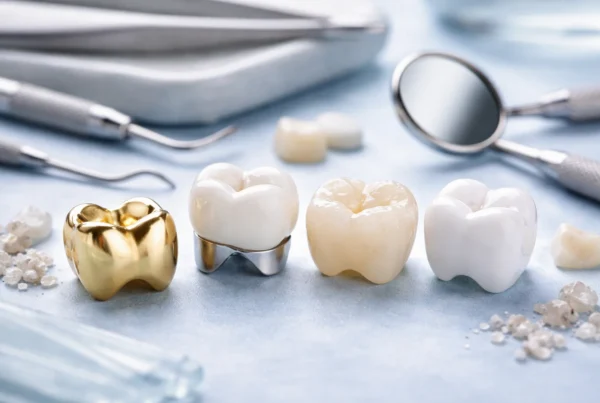

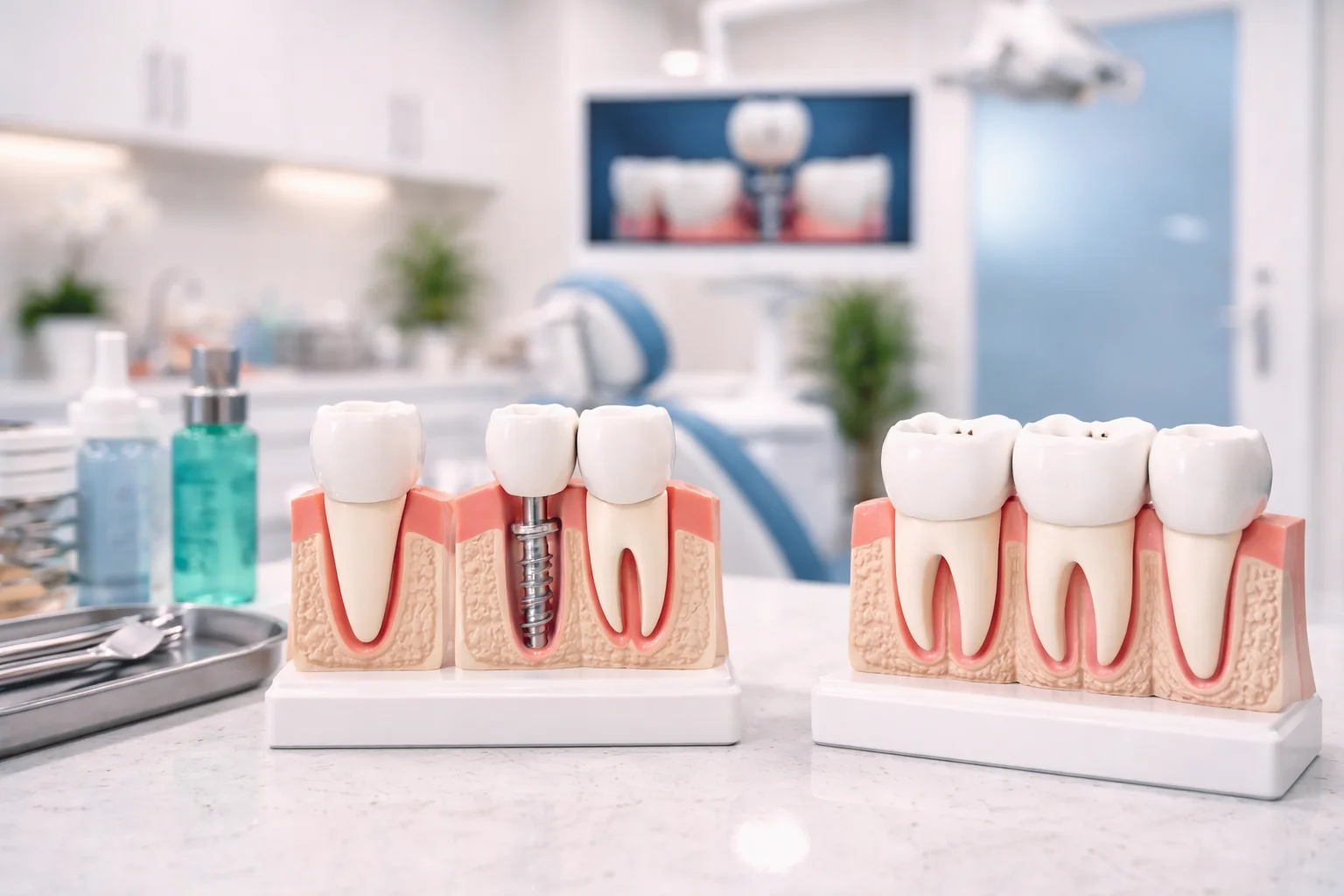
No, crowns do not automatically require root canals. Most crowns are placed on teeth that have never had root canal treatment, and the two procedures serve entirely different purposes. If you have been told you need a crown and you are worried a root canal is coming too, that fear is more common than you might think. At ReNEW Dental in Tewksbury, Dr. Elaine Wu, DMD evaluates every tooth individually and recommends only the treatment the tooth actually needs.
Dr. Wu earned her dental degree with highest honors from Boston University School of Dental Medicine and is a full graduate of the Kois Center in Seattle, where every clinical decision is grounded in science and evidence. Patients from Tewksbury Center, Merrimack Meadows, and the surrounding communities trust that when Dr. Wu recommends a root canal alongside a crown, there is a clear clinical reason behind it. The complimentary planning consultation is where that conversation starts, with a thorough exam and a straight answer about what your tooth needs.
What Is the Difference Between a Crown and a Root Canal?
A crown and a root canal are two separate procedures that solve two different problems. A crown protects the external structure of a tooth when the enamel walls become too weak to handle chewing forces on their own. A root canal treats infection or damage inside the pulp chamber, the soft tissue at the center of the tooth that contains the nerve and blood supply. One addresses the outside of the tooth. The other addresses the inside.
Most crowns are placed on teeth with no pulp involvement at all. Large cavities, cracked teeth, broken teeth, and worn enamel all commonly require crowns with no root canal needed. The two procedures are only recommended together when the clinical evaluation shows that the internal tooth structure is compromised in addition to the external structure. That is a specific clinical finding, not a default assumption.
What Signs Mean Your Tooth Needs a Root Canal?
A root canal becomes necessary when the pulp inside the tooth becomes infected, inflamed, or damaged beyond the point where the tooth can heal on its own. This can happen alongside the same conditions that require a crown, which is why the two procedures sometimes occur together. It is the condition of the pulp, not the crown itself, that determines whether a root canal is needed.
Signs that a root canal may be needed before crown placement include:
- Severe or persistent tooth pain that does not resolve on its own
- Pain that wakes you up at night or lingers long after eating hot or cold food
- Swelling, tenderness, or a visible abscess near the tooth or along the gumline
- Darkening or discoloration of the tooth that signals internal damage
- A crack or fracture that extends deep enough to reach the pulp chamber
- X-rays showing infection at the root tip or damage to the surrounding bone
Not every tooth showing these signs automatically requires a root canal. Dr. Wu evaluates the tooth with digital X-rays and a clinical exam before making any determination. Patients in Shawsheen Village and Bella Woods who come in with tooth pain are often relieved to find the answer is simpler than they feared. The goal is always to confirm what the tooth actually needs, not to assume the worst.
What Situations Only Require a Crown?
A large cavity that damages significant tooth structure but has not reached the pulp does not require root canal treatment. The decay is removed, the tooth is built up with a foundation if needed, and a crown protects the remaining structure. The nerve inside the tooth remains healthy and untouched throughout the entire process. This is one of the most common crown scenarios and it involves no endodontic treatment at all.
Cracked teeth are another situation where a crown is placed without a root canal in many cases. If the crack has not extended into the pulp chamber and the patient is not showing signs of pulp involvement, a crown holds the tooth together and prevents the crack from progressing further. Broken or chipped teeth where the pulp is not exposed follow the same logic. Structural damage on its own does not trigger root canal treatment.
Old or failing crowns being replaced also typically require no root canal. A tooth that already has a crown showing no signs of pulp involvement does not need root canal treatment for the new crown to be placed. Teeth with heavy wear from grinding are treated the same way. A new crown restores the lost enamel and protects the remaining structure without any involvement of the pulp or nerve.
What If a Crowned Tooth Needs a Root Canal Later?
A tooth that already has a crown can still develop pulp problems years after the crown was placed. Decay that develops under the crown margin, a new crack from an impact, or repeated trauma to the tooth can all trigger infection in the pulp long after the original restoration was completed. This is not a failure of the crown itself. It is a biological event that can happen to any tooth.
In most cases a root canal can be performed through the existing crown without removing it. A small access opening is made through the crown, the root canal treatment is completed, and the opening is sealed. Whether the crown needs to be replaced afterward depends on its condition, fit, and age at the time of treatment. Dr. Wu evaluates this at the consultation and explains the options clearly before any treatment is scheduled. This is one more reason why routine maintenance exams matter. Catching decay under a crown margin early prevents the more complex scenario of needing both root canal treatment and a full crown replacement at the same time.
How Does Dr. Wu Evaluate Whether a Root Canal Is Needed?
Before any treatment is recommended at ReNEW Dental, Dr. Wu performs a thorough clinical evaluation of the tooth. She does not assume a root canal is needed because a crown is being discussed. The evaluation determines what the tooth actually requires, and that is what gets recommended.
What Dr. Wu evaluates before recommending root canal treatment:
- Digital X-rays to assess the root tip, surrounding bone, and any sign of infection or periapical pathology
- Pulp vitality testing to determine whether the nerve inside the tooth is healthy or compromised
- Clinical examination of the crack depth, fracture pattern, and any visible abscess or sinus tract
- Patient symptoms including when the pain started, what triggers it, and whether it lingers or resolves quickly
- Review of any prior dental work on the tooth and how long it has been in place
- 3D cone beam imaging for complex cases where standard X-rays do not give a complete clinical picture
If a root canal is not indicated, it is not recommended. If the evaluation reveals pulp involvement, Dr. Wu explains the finding clearly before any treatment is planned. The complimentary consultation is available for patients who want a second opinion or who have been told they need both procedures and want to understand the reasoning behind that recommendation. No pressure. No surprises.
What to Expect When You Need Both a Crown and a Root Canal in Tewksbury
When both procedures are needed, root canal treatment is completed first. Once the pulp is treated and the tooth is stable, a crown is placed to protect the now-brittle tooth structure. The crown is essential after a root canal because root canal therapy removes the pulp that keeps the tooth hydrated and flexible. Without that protection, the tooth becomes more susceptible to fracture under normal chewing pressure.
The timeline for both procedures is straightforward. Root canal treatment is typically completed in one to two appointments. Crown placement follows at a separate appointment once the tooth has settled, usually one to two weeks later. Patients from North Tewksbury and Wamesit who need both procedures often say the experience was far easier than they anticipated, particularly once the pain from the original infection was resolved. Most patients report that root canal treatment under local anesthesia is far more comfortable than the pain that preceded it.
Cost is a real consideration when both procedures are needed in the same treatment plan. Most dental insurance plans cover a portion of each procedure as major restorative treatment. ReNEW Dental reviews your benefits for both procedures before any treatment is scheduled so you know your estimated out-of-pocket cost in advance. Costs and coverage vary by plan and procedure, and every patient’s situation is different. Dr. Wu reviews your specific tooth, your insurance, and your goals before any recommendation is finalized.
One Honest Conversation Changes Everything
You came in with a real fear: that a crown automatically means a root canal is next. Now you have a clear picture of when the two go together and when they do not. Nothing at ReNEW Dental is recommended without a clinical reason behind it. Dr. Elaine Wu, a Kois-trained dentist, takes the time to evaluate your specific tooth, explain the findings, and give you a plan you understand before any treatment begins. Patients across Tewksbury trust that approach because it has never steered them wrong.
Schedule your complimentary planning consultation at ReNEW Dental and find out exactly what your tooth needs and why. No assumptions, no pressure. Your next chapter starts with one honest conversation.
ReNEW Dental
978-451-1500
1201 Main St. Tewksbury, MA 01876
Schedule your consultation today!
Frequently Asked Questions
Can I Get a Crown Without a Root Canal?
Yes. Most crowns are placed on teeth that have never had root canal treatment. A crown protects the outer structure of the tooth when enamel walls become too weak to handle chewing forces. A root canal treats the inner pulp when infection or damage is present. The two procedures are only done together when the clinical evaluation shows the pulp is compromised. Treatment decisions should always be made with a licensed dentist after a thorough examination of your individual tooth.
How Do I Know If My Tooth Needs a Root Canal Before a Crown?
Lingering pain after eating hot or cold food, pain that wakes you up at night, swelling near the tooth, and visible darkening of the tooth are all signs the pulp may be involved. These symptoms do not automatically confirm a root canal is needed. Only a clinical evaluation with digital X-rays and pulp vitality testing can confirm whether the nerve is compromised. Never self-diagnose based on symptoms alone. Every patient is different and treatment recommendations are based on individual oral health needs.
Does Getting a Root Canal Hurt?
Root canal treatment is performed under local anesthesia. The procedure itself is not painful. Most patients report that the infection-driven pain they had before the root canal was far worse than the treatment itself. Some sensitivity around the tooth in the days following the procedure is normal and typically resolves within a few days. Patients who have delayed treatment out of fear of pain often say they wish they had come in sooner.
How Much Does a Root Canal and Crown Cost Together?
Root canal treatment typically costs between $1,000 and $2,000 depending on the tooth location and complexity of the case. A crown adds $1,400 to $1,800. Most dental insurance plans cover a portion of both as major restorative procedures after the annual deductible is met. ReNEW Dental reviews your benefits for both procedures before any treatment is scheduled so you know your estimated out-of-pocket cost before committing to anything.
Related Services