

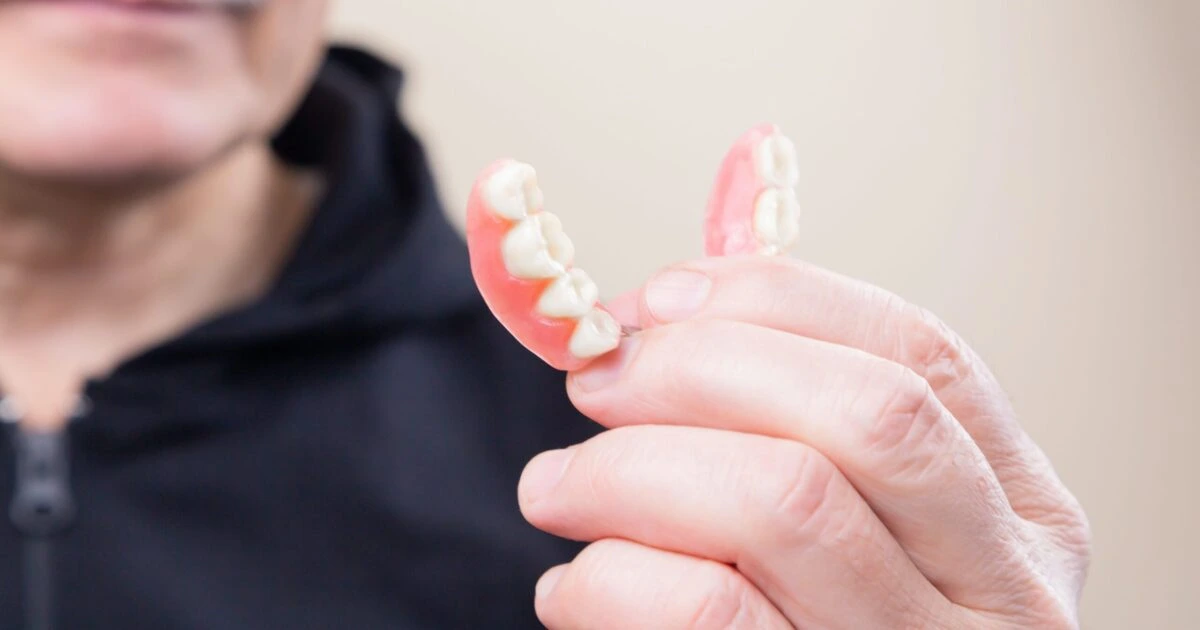
Getting used to new dentures is different for everyone, and that’s completely normal. Whether you’re getting full or partial dentures, understanding what to expect can help make your transition much smoother and less stressful.
Full dentures represent a bigger change since they replace your entire set of teeth. At first, they might feel strange or bulky in your mouth, and you may need to relearn certain speech patterns. This adjustment takes patience, but most people find that their mouth naturally adapts to the denture shape over time.
Partial dentures typically have a shorter adjustment period because they anchor to your existing teeth. This connection provides immediate stability, which often makes the initial wearing experience more comfortable. You’ll need to learn proper cleaning techniques around the clasps to keep your supporting teeth healthy.
No matter which type you choose, the key is consistent wearing and open communication with your dental team. Any ongoing discomfort should be reported right away, as small adjustments can make a huge difference in how your dentures fit and feel.
How Dentures Restore Function and Confidence
Dentures do much more than just fill gaps in your smile – they restore essential functions that you might have lost with missing teeth. The improvements often go way beyond what people expect when they first consider dentures.
Full dentures provide complete support for your entire face structure when all teeth are missing. They restore your ability to chew a wide variety of foods and help you speak clearly again. This complete restoration also helps maintain your face shape by preventing the sagging that can happen when teeth are missing.
Partial dentures work differently by filling specific gaps while anchoring to your remaining healthy teeth. This design helps keep your existing teeth in place by preventing them from shifting into empty spaces. The stability from natural tooth anchoring often provides better chewing function than you might expect.
Both types of dentures significantly impact your self-confidence by restoring a complete, attractive smile. Being able to eat, speak, and smile without worry about gaps or missing teeth makes a meaningful difference in social interactions and overall quality of life.
Custom Design for Your Individual Needs
Modern dentures are highly customized dental appliances designed specifically for your mouth and lifestyle. The goal is achieving the perfect balance between natural appearance and comfortable function.
Full dentures feature an acrylic base that matches your natural gum color while covering your entire upper or lower jaw. They’re molded precisely to your mouth’s shape for the best stability and comfort. While the process may require tooth extractions, the result is a complete set of working teeth.
Partial dentures use plastic or metal frameworks that securely hold artificial teeth exactly where your natural teeth are missing. The clasps and retention mechanisms attach to existing teeth, filling gaps while preventing remaining teeth from shifting over time.
Precise measurements are crucial for both types of dentures. A well-fitted denture gets rid of friction and discomfort, allowing you to talk, eat, and smile naturally. Regular professional evaluations make sure your dentures continue fitting properly as your mouth changes.
Making Your Adjustment Period Manageable
Getting used to dentures involves both physical and emotional adjustments, but understanding the process helps you navigate it successfully. The key is having realistic expectations and patience with yourself during this transition.
Full dentures require more adjustment time since they represent complete tooth replacement. You might initially experience mouth fullness, increased saliva production, or slight speech and chewing difficulties. With consistent wear and practice, your mouth muscles and tongue adapt to create natural function.
Partial dentures generally feel more stable right away because they connect to existing teeth. This attachment to familiar dental structures usually results in a shorter adjustment period. Proper cleaning around attachments prevents discomfort and protects your remaining natural teeth.
Both types may need several adjustments during the first few months. Regular check-ins with your dental team allow for fine-tuning as your mouth settles into its new normal.
Essential aspects of successful denture adjustment include:
- Understanding that initial discomfort and awkwardness are temporary and completely normal
- Practicing speaking and eating gradually to build confidence with your new dentures
- Following proper cleaning routines to prevent irritation and maintain oral health
- Scheduling regular adjustment appointments during the first few months of wear
- Communicating openly about any concerns or discomfort with your dental team
This adjustment process becomes much more manageable when you know what to expect and have professional support guiding you through each step.
Proper Care for Long-Lasting Dentures
Taking good care of your dentures makes sure they provide years of reliable service while maintaining your oral health. Developing consistent care habits from the beginning sets you up for long-term success.
Full dentures need nightly removal and thorough cleaning due to their extensive contact with gums. This removal gives your tissues time to recover while cleaning prevents food particle buildup and plaque accumulation. Regular maintenance prevents complications and extends denture life significantly.
Partial dentures require extra attention around clasps and attachment points to natural teeth. Careful cleaning in these areas prevents plaque buildup that could damage your remaining teeth or affect denture stability. This detailed care protects both your denture investment and natural teeth.
Both types experience normal wear over time and may need professional adjustments as your mouth naturally changes. These modifications maintain comfort and function while preserving the integrity of the fit. Regular dental visits allow for timely identification of adjustment needs.
Getting Expert Guidance for Your Decision
Choosing between full and partial dentures requires careful consideration of your specific situation and professional expertise. At ReNEW Dental in Tewksbury, advanced technology and personalized consultation help you make the best choice for your needs.
State-of-the-art imaging technology provides complete analysis of your oral cavity. This detailed visualization helps you understand how different denture options would fit and function in your specific situation. Having this clear picture builds confidence in your treatment decision.
Your lifestyle and personal preferences play important roles in denture selection. The dental team takes time to understand your daily activities, comfort preferences, and appearance goals. This patient-centered approach makes sure your final choice enhances rather than complicates your lifestyle.
Professional expertise guides you through all available options while considering your oral health condition and long-term outlook. Personalized consultations empower you to make informed decisions that improve both your dental health and overall wellbeing.

Determining Which Type of Denture Fits Your Situation
The choice between full and partial dentures depends on several important factors that your dental team will evaluate carefully. Understanding these considerations helps you participate actively in your treatment planning.
The number of remaining natural teeth is the primary factor in denture selection. Full dentures work best when all teeth are missing or need removal due to severe problems. Partial dentures are ideal when you still have some healthy natural teeth to provide anchoring support.
Your gum and jawbone condition significantly influences denture success. Healthy gums and strong jawbone support full dentures effectively, while partial dentures need solid natural teeth as anchor points. Professional evaluation determines which option your oral structures can support best.
Comprehensive Support Throughout Your Denture Journey
Getting dentures involves more than just the fitting appointment – it’s an ongoing relationship with your dental care team. This complete support makes sure you succeed and feel satisfied with your new dentures.
Educational resources help you understand your options and what to expect throughout the process. Clear information about denture types, materials, and adjustment periods reduces anxiety and sets realistic expectations. Knowledge gives you the power to make confident decisions about your care.
Temporary denture options allow you to experience denture function before making permanent commitments. This trial period helps you understand how dentures feel and work in your daily life. The experience guides your final decision toward the best long-term solution.
Personalized care makes sure your specific needs and preferences guide every aspect of your treatment. Individual consultations consider your dental condition, lifestyle, and personal goals.
Key support services throughout your denture experience include:
- Detailed education about denture options, care requirements, and realistic expectations
- Temporary denture trials allowing you to experience function before permanent decisions
- Personalized consultations addressing your specific needs, concerns, and lifestyle factors
- Ongoing adjustment services ensuring optimal fit and comfort as you adapt
- Long-term maintenance support helping preserve your investment and oral health
This complete support system makes sure you never feel alone or uncertain during your denture journey. Professional guidance and ongoing care help you achieve the best possible outcomes.
Maintaining Your Investment for Years of Service
Proper denture maintenance protects your investment while ensuring continued oral health and comfort. Following recommended care practices prevents problems and extends the life of your dentures significantly.
Daily cleaning routines form the foundation of good denture care. Full dentures need thorough daily brushing and nightly soaking to remove particles and bacteria. Partial dentures require careful attention around clasps and natural teeth to prevent damage and decay.
Regular professional check-ups monitor denture condition and overall oral health. These appointments allow for necessary adjustments and early identification of potential problems. Professional cleaning and evaluation help maintain the best function and comfort over time.
Staying alert to changes in fit and comfort helps prevent minor issues from becoming major problems. Your mouth changes naturally over time, so dentures may need periodic adjustments. Quick attention to comfort changes maintains your satisfaction and prevents complications.
Your Path to Renewed Confidence and Function
The decision to get dentures should lead to improved confidence and daily comfort in all aspects of your life. At ReNEW Dental in Tewksbury, the focus is on providing solutions that enhance both function and self-assurance for every patient.
A confident smile deeply impacts your self-esteem and social comfort. The team focuses on creating dentures that restore functionality while complementing your facial features naturally. Careful attention to size, shape, and color creates results that look and feel authentically yours.
Daily comfort remains most important for enjoying improved quality of life. Treatment planning considers your lifestyle, food preferences, and activity level to make sure your dentures enhance rather than limit your daily experiences. Personalized solutions mean better long-term satisfaction.
Ready to explore how the right dentures could restore your smile and confidence? Contact ReNEW Dental in Tewksbury today to discuss your options and discover which solution would work best for your individual needs and lifestyle.
ReNEW Dental
978-451-1500
1201 Main St. Tewksbury, MA 01876
Schedule your consultation today!
Frequently Asked Questions
What’s the main difference between full and partial dentures?
Full dentures replace all your teeth on either the upper or lower jaw, while partial dentures fill specific gaps when you still have some healthy natural teeth remaining. The choice depends on how many teeth you have and their condition.
How do I know if I need full or partial dentures?
You’ll typically need full dentures if you’re missing all teeth on the upper or lower jaw. Partial dentures work well when you have healthy natural teeth that can provide anchoring support for the artificial teeth filling the gaps.
Can dentures really feel comfortable and look natural?
Modern dental technology and personalized fitting at ReNEW Dental create dentures that fit comfortably and closely resemble natural teeth. With proper adjustment and care, dentures restore both function and aesthetics very effectively.


