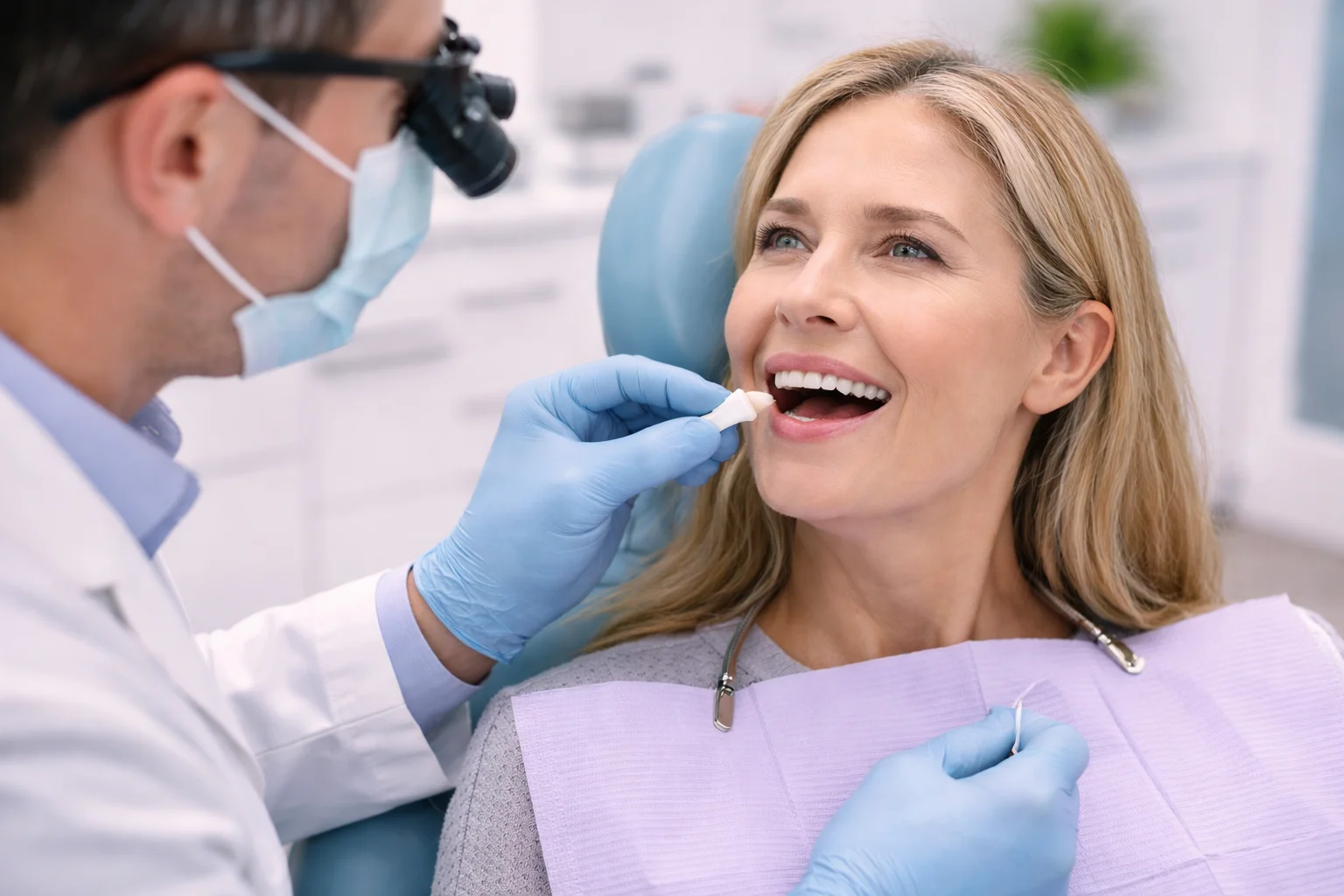
When a Tooth Is Too Damaged for a Filling, a Crown Is How You Save It
When a tooth is too damaged for a filling but still worth saving, a dental crown is how you protect it. ReNEW Dental in Tewksbury places crowns for broken teeth, large cavities, cracked teeth, root canal follow-up, and worn or failing old restorations. Dr. Elaine Wu, DMD uses digital 3D scanning and a planning-first approach to make sure every crown fits precisely, functions correctly, and lasts as long as possible.
Dr. Wu earned her dental degree with highest honors from Boston University School of Dental Medicine, was inducted into the Omicron Kappa Upsilon National Dental Honor Society, and received the Department of General Dentistry Excellence in Implantology Award. It is the standard every clinical decision is held to. If you want to understand your options before committing to anything, a complimentary planning consultation is where that conversation starts.
When Do You Need a Dental Crown?
A crown becomes necessary when a tooth no longer has enough healthy structure to handle daily chewing safely. The most common situations are large cavities that remove too much tooth for a filling to hold, cracked teeth where pain on biting signals the structure is flexing along the crack line, and teeth that have had root canal treatment and need protection to stay functional long term.
Old failing crowns, implants needing a final restoration, and badly worn teeth round out the most common reasons. If you are unsure whether your tooth needs a crown or a filling, the full breakdown is in our guide to when a dental crown is needed instead of a filling.
How Dr. Wu Plans and Places Crowns Differently
Most dental offices place crowns. Fewer plan them the way Dr. Wu does. Her Kois Center training evaluates the bite as a whole system before a single tooth is touched. A crown planned within the context of how all teeth load and function together lasts longer and causes fewer problems down the line. Digital 3D scanning replaces traditional impression trays, producing precise measurements that mean the crown fits accurately from the first seating.
The fit at the crown margin is the single biggest predictor of how long a restoration lasts. A tight seal keeps bacteria and oral fluids away from the tooth underneath. Patients in Shawsheen Village and Tewksbury Center who come to ReNEW Dental after a crown recommendation elsewhere often say the difference is in how clearly Dr. Wu explains the decision before treatment begins.
What Does the Crown Process Look Like
For new patients or anyone who wants to think it through first, the process starts with a complimentary planning consultation. Dr. Wu examines the tooth, walks through the material options, and explains what the crown involves before any commitment is made. You leave knowing exactly what your tooth needs and why, with no pressure to decide on the spot.
At the first crown appointment, Dr. Wu removes decay and shapes the tooth for a precise fit. A digital scan sends exact dimensions to the lab and a temporary crown protects the tooth in the meantime. At the second appointment the permanent crown is seated, the bite adjusted, and the crown cemented. Patients from Wamesit and across North Tewksbury consistently say both visits are easier than expected.