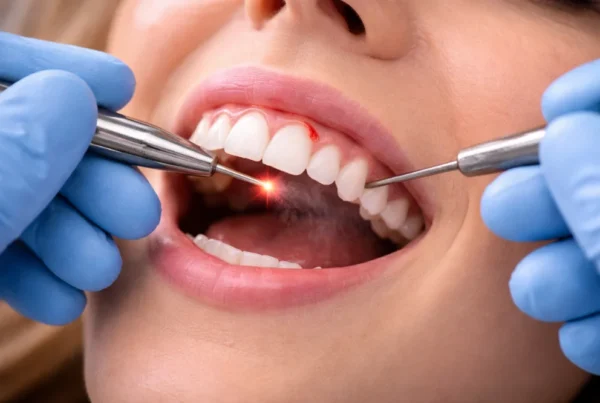


Gum lengthening is a dental procedure that reshapes excess gum tissue so more of the natural tooth is visible, but most people do not start by asking for the procedure itself. In Tewksbury, many patients explore gum lengthening because their teeth feel hidden, uneven, or harder to restore than they should be. The real goal is not to change the teeth, but to remove what is getting in the way so the smile can function and feel the way it was meant to.
At ReNEW Dental, gum lengthening is never treated as a cosmetic shortcut or a default recommendation. Dr. Elaine Wu, DMD takes time to explain what is happening beneath the surface, why it matters for long term oral health, and whether the procedure truly fits your situation. With advanced training from Boston University and the Kois Center, her role is to guide patients toward clear decisions that support comfort, stability, and confidence over time.
Why Dentists Recommend Gum Lengthening
This usually starts with a simple observation. Someone notices their teeth look short or that their smile feels too gummy. Others see it in photos or hear it mentioned during a routine exam.
Another common reason comes up when a tooth breaks or needs a crown. If damage sits close to the gumline, there may not be enough exposed tooth for a restoration to hold onto. Gum lengthening creates the space needed so dental work can actually last.
There is also a health side many people do not expect. When gums crowd the edge of a filling or crown, plaque builds faster and irritation becomes more likely. Adjusting the gumline can make brushing easier and help prevent repeat issues.
How Gum Lengthening Supports Smiles And Oral Health In Tewksbury
Patients from Shawsheen Village, North Tewksbury, and Silver Lake often ask the same question. Is this about looks, or is it about health. Most of the time, it is both working together.
From the smile side, reshaping the gumline can make teeth look more even without touching the teeth themselves. That subtle shift can change how natural and balanced a smile feels.
From the health side, gum lengthening helps restorations sit where they belong. When crowns and fillings are placed on solid tooth structure, they are easier to clean and more comfortable long term.
Gum Lengthening Compared To Other Gum Shaping Options
Not every gum concern needs the same solution. Some people need very minor reshaping, while others need more tooth exposed for functional reasons. Understanding the difference helps avoid unnecessary treatment.
Here is a simple way patients often understand their options. This table is meant to guide conversation, not replace an exam.
| Treatment Option | Primary Purpose | What Is Adjusted | Best For |
| Cosmetic gum contouring | Improve gum symmetry | Gum tissue only | Mild uneven gumlines |
| Clinical gum lengthening | Expose more tooth | Gum tissue and sometimes bone | Crowns or broken teeth |
| Orthodontic treatment | Adjust tooth position | Tooth alignment | Teeth positioned too low |
What matters most is matching the treatment to the goal. Digital planning and measurements help confirm what will be stable and predictable. That step protects both appearance and long term health.
What Happens During A Gum Lengthening Procedure
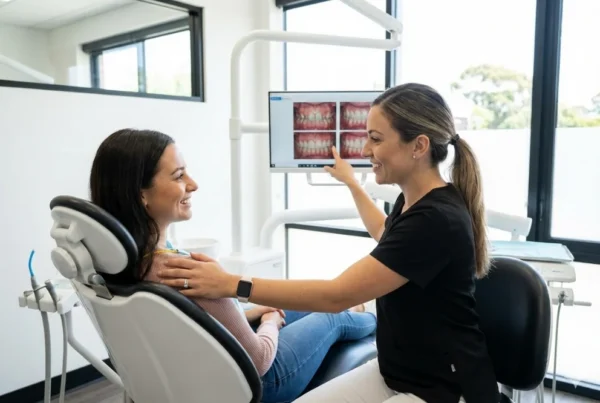
The appointment starts with careful planning. Dr. Wu evaluates gum thickness, tooth structure, and how your bite works together. Digital scans help map exactly where the gumline should sit.
During the procedure, the area is numbed so you stay comfortable. Excess gum tissue is reshaped based on the plan. In some cases, a small amount of bone is adjusted to support proper healing.
Afterward, the gums are protected while they heal. Patients leave knowing what is normal, what to avoid, and when to check back in. That clarity helps lower anxiety right away.

Recovery After Gum Lengthening And What Helps Healing
Most people are surprised by how manageable recovery feels. Mild swelling and tenderness are common during the first few days. Each day usually feels a little better than the last.
Small habits during healing matter more than people expect. These steps help keep the tissue calm and reduce irritation.
Helpful recovery tips include:
- Using cold packs during the first day to reduce swelling.
- Eating soft foods that do not press on the gums.
- Brushing nearby teeth gently with a soft toothbrush.
- Avoiding smoking while healing.
- Calling the office if pain or swelling worsens instead of improves.
Following these steps supports steady healing and helps the gumline settle as planned. If something feels off, checking in early often prevents bigger issues. Recovery tends to feel smoother when expectations are clear.
How ReNEW Dental Plans Gum Lengthening With Precision
Gum lengthening is not planned by eye alone. Dr. Wu uses digital measurements to guide how much tissue is adjusted and where the gumline settles. This reduces guesswork and uneven results.
She also looks at how everything works together, not just one tooth. Bite forces, gum health, and future restorations all matter. That broader view protects comfort long after healing.
Patients from South Tewksbury and Tewksbury Center often appreciate the calm pace. A complimentary consultation gives space to talk through goals without pressure.
Signs You May Be A Good Candidate For Gum Lengthening
Many people wonder if gum lengthening applies to them. Certain patterns tend to come up during exams and conversations. These signs usually connect to how the gums affect appearance or dental work.
Common indicators include:
- Teeth that look short because gum tissue covers them.
- Uneven gumlines that draw attention when smiling.
- Teeth damaged close to the gumline.
- Crowns that need more exposed tooth to fit properly.
- Ongoing gum irritation around dental work.
Seeing one or more of these does not mean you need treatment. It simply means a conversation is worth having. Clear explanations help decisions feel easier.
A Clear Path Forward
Gum lengthening is not about transforming your smile into something artificial or unfamiliar. It is about removing obstacles that are getting in the way of healthy teeth, comfortable dental work, or a smile that feels balanced. When gums sit in the right place, daily care becomes easier, restorations last longer, and your smile starts to feel like it works with you instead of against you.
At ReNEW Dental, Dr. Elaine Wu, DMD steps into the role of guide, not salesperson. She helps you understand what is causing the issue, what options truly make sense, and what the next step looks like if you choose to move forward. If you are ready for clarity and a plan built around long term health, call 978-451-1500 to schedule a consultation and move forward with confidence.
Frequently Asked Questions
Is gum lengthening the same as crown lengthening?
They are related, but they are not always the same thing. Gum lengthening is a general term for reshaping gum tissue to expose more of the tooth, which can be done for appearance, function, or both. Crown lengthening is a specific type of gum lengthening used when a tooth needs more exposed structure to support a crown or filling. The difference comes down to the goal, whether the focus is improving how the smile looks or creating enough tooth surface for stable dental work.
How long does healing take after gum lengthening?
Most people notice that the initial soreness and swelling improve within the first few days, which makes everyday activities feel manageable fairly quickly. However, the gums continue to settle and stabilize over several weeks, especially if deeper tissue was adjusted. The exact timeline depends on how much gum was reshaped and how your body heals, which is why dentists base next steps on healing progress rather than a fixed schedule.
Is gum lengthening cosmetic or medically necessary?
Gum lengthening can be cosmetic, medically necessary, or a combination of both, depending on the situation. It is considered cosmetic when the main concern is a gummy smile or uneven gumlines, and medically necessary when gum tissue interferes with restorations, cleaning, or long-term tooth health. In many cases, improving how the gums sit helps both appearance and function at the same time, which is why the label matters less than the reason behind the recommendation.
What is normal after gum lengthening?
It is normal to experience mild swelling, tenderness, and sensitivity during the early healing phase, especially in the first few days. These symptoms should slowly improve each day as the gums heal and settle into their new position. Pain that worsens instead of improves, fever, or drainage are not typical and should be checked promptly so healing stays on track.