
Gum lengthening is often discussed as cosmetic or medically necessary, but most people come in feeling something simpler, confusion. In Tewksbury, MA, many patients are unsure whether their gums are affecting how their smile looks, how dental work fits, or how comfortable their mouth feels day to day. The real issue is not the label attached to the procedure, but whether the gum tissue is creating a barrier to healthy teeth, stable restorations, or confidence when smiling.
At ReNEW Dental, Dr. Elaine Wu, DMD approaches gum lengthening as a decision that deserves clarity, not pressure. She takes time to explain what is happening, why the procedure is being considered, and what outcome it is meant to support. With advanced training from Boston University and the Kois Center, Dr. Wu focuses on guiding patients toward choices that protect long term comfort, function, and peace of mind.
When Gum Lengthening Is Considered Cosmetic
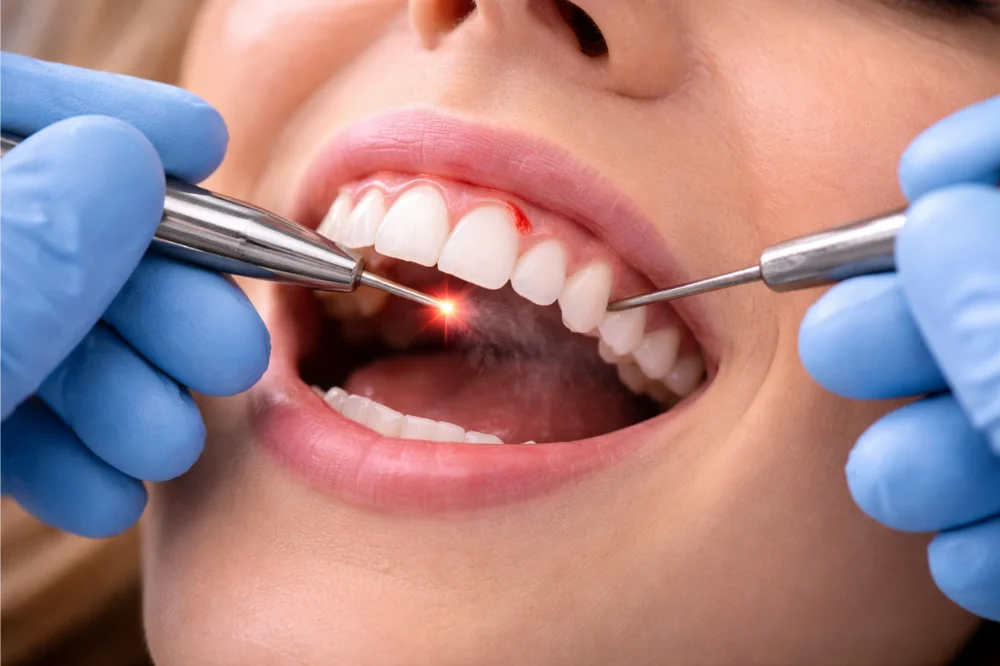
Gum lengthening is considered cosmetic when the main concern is how the smile looks rather than a health or structural issue. This often comes up when excess gum tissue covers a large portion of otherwise healthy teeth. Many people notice this in photos or when they feel their teeth look shorter than expected.
In cosmetic cases, the teeth are usually strong and properly positioned. The issue lies in how the gums frame the teeth. By reshaping the gumline, more of the natural tooth becomes visible, which can make the smile feel more balanced and natural.
For patients from neighborhoods like Shawsheen Village and North Tewksbury, cosmetic gum lengthening is often about confidence. It is not about chasing perfection, but about removing something that feels distracting or out of proportion.
When Gum Lengthening Becomes Medically Necessary
Gum lengthening becomes medically necessary when gum tissue interferes with oral health or dental treatment. A common example is a tooth that is broken or decayed near the gumline. Without enough exposed tooth structure, a crown or filling cannot seal properly.
In these situations, gum lengthening exposes solid tooth structure so restorations can be placed securely. This helps prevent future decay, reduces irritation, and lowers the risk of the restoration failing early.
Medical gum lengthening can also help with chronic gum irritation. When gums crowd the edges of restorations, plaque buildup becomes more likely. Adjusting the gumline can make daily cleaning more effective and support healthier gum tissue.
Cosmetic And Medical Gum Lengthening Compared
Many patients want a clear explanation of how cosmetic and medical gum lengthening differ. While some cases clearly fall into one category, many overlap. The table below helps frame that distinction.
| Type of Gum Lengthening | Primary Goal | Why It Is Done | Common Situations |
| Cosmetic gum lengthening | Improve appearance | Balance teeth and gums visually | Gummy smile, uneven gumlines |
| Medically necessary gum lengthening | Protect oral health | Support restorations and gum stability | Crowns, decay near gumline |
| Combined approach | Appearance and function | Address both concerns | Smile changes tied to dental work |
What matters most is not the category itself, but whether the procedure solves a real problem. Digital planning and careful evaluation help confirm what will be stable and appropriate long term.
Why Many Gum Lengthening Cases Are Both Cosmetic And Medical
In real life, cosmetic and medical reasons often overlap. A patient may come in feeling unhappy with their smile, only to learn that the gum position also affects how dental work fits. In these cases, the benefits of gum lengthening extend beyond appearance.
Exposing more tooth structure can improve smile balance while also allowing a crown to seal properly. The cosmetic improvement is visible, but the medical benefit protects the tooth underneath. Both outcomes support long term comfort.
Patients from South Tewksbury and Tewksbury Center often find this explanation reassuring. It helps them understand that wanting their smile to look better does not make the procedure unnecessary or superficial.
Common Cosmetic Reasons Gum Lengthening Is Chosen
Some people start thinking about gum lengthening because of how their smile shows up in everyday moments, not because anyone told them something was wrong. They may notice it in photos, while laughing, or when comparing their smile to others, and feel like something looks slightly out of balance. These concerns tend to follow familiar patterns, especially when healthy teeth are partially hidden by excess gum tissue.
Common cosmetic motivations include:
- Teeth that appear short because excess gum tissue covers them.
- A smile that looks gummy in photos or when laughing.
- Uneven gumlines that draw attention to certain teeth.
- A desire for better balance without changing tooth shape.
- Feeling self conscious when smiling fully.
These concerns are valid and very common. Addressing them is not about chasing perfection, but about helping the smile feel more natural and proportional. When oral health is stable and the plan is thoughtful, gum lengthening can remove visual distractions and allow confidence to come back without changing who someone is or how their teeth are shaped.
Common Medical Reasons Gum Lengthening Is Recommended
Other times, gum lengthening is recommended for reasons that have very little to do with appearance and everything to do with how the mouth functions. These situations usually come up when dental work is planned or when something keeps failing despite good care. The focus shifts from how the smile looks to how well teeth, gums, and restorations are working together day to day.
Common medical reasons include:
- Teeth that are broken or decayed near the gumline.
- Crowns that need more exposed tooth structure to fit securely.
- Repeated irritation or inflammation around existing restorations.
- Difficulty cleaning areas where gum tissue crowds the edge of the tooth.
- Restorations that have failed because the margins could not seal properly.
In these cases, gum lengthening is about creating a healthier foundation, not changing appearance. By exposing stable tooth structure and giving restorations the space they need to fit correctly, dental work is more likely to last and feel comfortable. The goal is long term stability and easier maintenance, so problems are less likely to return.
How ReNEW Dental Decides Which Category Applies
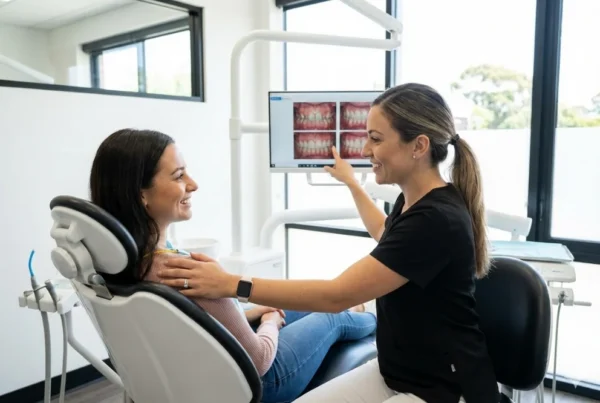
At ReNEW Dental, the decision is never rushed. Dr. Wu evaluates gum thickness, tooth structure, and bite function using digital scans and careful measurements. This planning helps determine whether the concern is cosmetic, medical, or both.
The focus stays on why the procedure is being recommended. Is it to support a crown, improve gum health, enhance smile balance, or address all three. That clarity guides the treatment plan.
Patients from Silver Lake and North Tewksbury often appreciate the calm, unhurried consultation process. A complimentary consultation allows space to ask questions and understand options without pressure.
Clarity First, Then A Plan That Makes Sense
Whether gum lengthening is being discussed for appearance or for dental health, the goal should never feel vague or rushed. The procedure should solve a specific problem, such as improving comfort, supporting dental work, or creating a healthier balance between gums and teeth. When that balance is restored, daily care becomes easier and confidence follows naturally.
At ReNEW Dental, Dr. Elaine Wu, DMD takes on the role of guide, not salesperson. She helps you understand what is happening, what your options are, and what path supports long term comfort and health. If you are ready for clear answers and a thoughtful plan, call 978-451-1500 to schedule a consultation and move forward with confidence.
Frequently Asked Questions
Is cosmetic gum lengthening still a legitimate dental procedure?
Yes, cosmetic gum lengthening is a well established dental procedure when excess gum tissue affects how a smile looks and feels. When the teeth are healthy but covered by too much gum tissue, reshaping the gumline can improve balance and confidence without changing the teeth themselves. As long as the gums and bone are healthy, cosmetic gum lengthening can be an appropriate and effective option.
When does gum lengthening become medically necessary?
Gum lengthening becomes medically necessary when the position of the gums interferes with dental health or treatment. This often happens when a tooth needs a crown or filling near the gumline and there is not enough exposed tooth structure for a secure fit. It can also be recommended when gum tissue contributes to chronic irritation or makes cleaning difficult around restorations.
Can gum lengthening be both cosmetic and medical?
Yes, many gum lengthening cases address both appearance and health at the same time. Exposing more tooth structure can improve how a smile looks while also allowing restorations to fit properly and remain stable. In these situations, cosmetic and medical benefits are closely connected rather than separate decisions.
How do I know which category applies to me?
The best way to determine this is through a dental exam that evaluates your gum tissue, tooth structure, and overall oral health. Digital imaging and careful assessment allow your dentist to explain whether gum lengthening is being recommended for appearance, function, or a combination of both.