

Gum lengthening is not about checking boxes or qualifying for a procedure on paper. Most people in Tewksbury, MA start asking about gum lengthening because something feels off. Their smile may look unbalanced, dental work may feel harder to maintain, or the gums may seem to get in the way of comfort, even if they cannot fully explain why. The real question is whether the position of the gums is creating friction in everyday oral health.
At ReNEW Dental, Dr. Elaine Wu, DMD evaluates gum lengthening candidacy with care and intention. She looks at gum anatomy, overall oral health, and personal goals together, not in isolation. With advanced training from Boston University and the Kois Center, Dr. Wu’s role is to guide patients toward decisions that support long term comfort, stability, and confidence in daily life.
How Gum Anatomy Plays a Role in Candidacy
Gum anatomy is one of the first things evaluated when considering gum lengthening. Some people naturally have thicker gum tissue that covers more of the tooth surface, even when the teeth themselves are healthy and well shaped. In these cases, the gums can make teeth appear short or uneven.
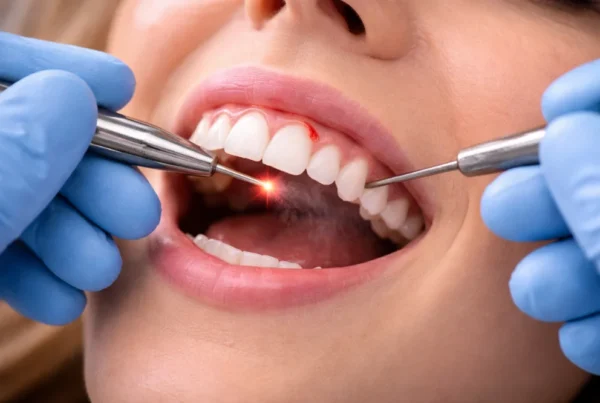
When excess gum tissue sits lower on the tooth, gum lengthening can help expose more of the natural tooth structure. This can improve balance across the smile and create a more even gumline. The key is determining how much tissue can be adjusted safely and predictably.
Candidates with stable bone levels and healthy surrounding tissue tend to respond best. Digital imaging helps confirm where the gumline should sit and how the tissue is likely to heal over time.
Why Overall Oral Health Matters Before Gum Lengthening
Oral health plays a major role in whether gum lengthening is appropriate. Healthy gums heal more predictably and are less likely to develop complications after treatment. That is why existing gum disease or active inflammation is usually addressed first.
When the mouth is healthy, gum lengthening can support better long term outcomes. It can make restorations easier to clean and help gum tissue stay calm around crowns or fillings. This often leads to less irritation and fewer follow up issues.
Patients from neighborhoods like Shawsheen Village and North Tewksbury often appreciate that oral health is prioritized first. Treating underlying issues before reshaping the gums helps results feel more comfortable and last longer.
Gum Lengthening Compared to Other Treatment Options
Gum lengthening is not always the only option. In some cases, a different approach better addresses the concern. Comparing treatments helps patients understand why one solution is recommended over another.
The table below shows how gum lengthening compares to other common options that address gum or tooth appearance.
| Treatment Option | Main Purpose | What Is Adjusted | Best Fit For |
| Gum lengthening | Expose more tooth structure | Gum tissue and sometimes bone | Gummy smiles, restorations near gums |
| Cosmetic gum contouring | Improve gum symmetry | Gum tissue only | Minor uneven gumlines |
| Orthodontic treatment | Change tooth position | Tooth alignment | Teeth positioned too low |
This comparison helps clarify intent. A full exam and digital planning confirm which option best supports comfort, health, and long term stability.
How Personal Treatment Goals Shape Candidacy
Candidacy is not only about anatomy and health, it is also about goals. People who are good candidates for gum lengthening usually have a clear reason for wanting change, whether that reason is comfort, function, or appearance.
Some patients want their teeth to look more balanced when they smile. Others need more exposed tooth structure so a crown can fit securely and last longer. Understanding these goals helps guide the treatment plan.
Patients from South Tewksbury and Tewksbury Center often find these conversations helpful. Talking through expectations early prevents confusion and helps align treatment with what matters most.
Common Signs Someone May Be a Good Candidate
Certain signs tend to come up when gum lengthening may be helpful, even if a person is not actively looking for treatment. These are often things people notice gradually, like changes in how their smile looks or how easy it is to keep certain areas clean. Seeing these signs does not automatically mean a procedure is needed, but they often signal that a closer look could bring useful clarity.
Common indicators include:
- Teeth that appear short because excess gum tissue covers them.
- Uneven gumlines that draw attention when smiling or speaking.
- Teeth that are broken or decayed close to the gumline.
- Crowns that need more exposed tooth structure to fit securely.
- Difficulty cleaning around restorations because the gums crowd the tooth edge
Noticing one or more of these signs is not a diagnosis and does not create an obligation to move forward. It simply means there may be options worth understanding. A thorough exam helps explain what is happening and whether gum lengthening would actually solve the issue, bringing clarity without pressure.
Situations Where Gum Lengthening May Not Be Ideal
There are times when gum lengthening is not the right first step. Some conditions need to be addressed before reshaping gum tissue, and in other cases, a different treatment provides better results.
Common reasons to delay or reconsider include:
- Active gum disease or infection.
- Inconsistent oral hygiene habits.
- Insufficient bone support around the tooth.
- Medical conditions that affect healing.
- Goals that gum lengthening cannot realistically achieve.
In these situations, addressing the underlying issue first protects long term outcomes. Sometimes waiting or choosing a different approach leads to better results overall.
How ReNEW Dental Evaluates Gum Lengthening Candidacy
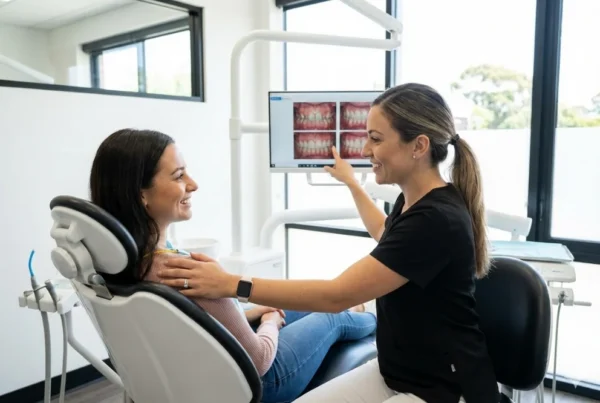
At ReNEW Dental, gum lengthening candidacy is evaluated with transparency and intention, not assumptions. Dr. Elaine Wu, DMD uses digital scans, precise measurements, and a full mouth evaluation to understand how the gums, teeth, and bite forces interact. This approach helps remove guesswork and reduces the risk of overcorrection or unnecessary treatment.
The focus always comes back to whether gum lengthening solves a real, meaningful problem. Dr. Wu looks at whether the procedure would improve comfort, support long term restorations, enhance smile balance, or address a combination of concerns. That clarity guides every recommendation, so patients understand not just what is being suggested, but why it makes sense for their health and goals.
When The Right Answer Brings Relief
Being a good candidate for gum lengthening comes down to alignment, not pressure. When gum anatomy, overall oral health, and personal goals work together, the procedure can remove real obstacles and create lasting improvement. When those pieces do not line up, the best outcome is often a different plan that better protects comfort and long term health.
At ReNEW Dental, Dr. Elaine Wu, DMD helps you sort through that decision with clarity and honesty. She explains whether gum lengthening truly fits your situation, what the process would look like, and what results are realistic to expect. If you want guidance without pressure, call 978-451-1500 to schedule a consultation and get thoughtful direction on your next step.
Frequently Asked Questions
How do I know if I am a good candidate for gum lengthening?
The best way to know is through a dental exam that looks closely at your gums, teeth, and overall oral health. Digital imaging helps your dentist see how much gum tissue covers the teeth, where the bone sits, and whether exposing more tooth structure would be helpful. Just as important, your dentist will talk with you about your goals so the recommendation makes sense for you, not just clinically.
Do I need healthy gums before gum lengthening?
Yes, healthy gums are important before moving forward with gum lengthening. Gums that are inflamed or affected by gum disease do not heal as predictably and may lead to complications. In most cases, any active gum issues are treated first so the tissue can heal properly and support a stable result.
Can gum lengthening help with crowns or fillings?
Yes, gum lengthening is often recommended to help crowns or fillings fit and last longer. When a tooth is damaged near the gumline, there may not be enough exposed tooth for a restoration to seal correctly. By exposing more healthy tooth structure, gum lengthening creates a stronger foundation that is easier to clean and maintain.
Are there reasons someone should not have gum lengthening?
There are situations where gum lengthening may not be the right choice right away. Active gum disease, certain medical conditions, healing concerns, or unrealistic expectations can affect whether the procedure is appropriate. In these cases, your dentist will explain what needs to be addressed first or suggest alternative options that better support your long term health.