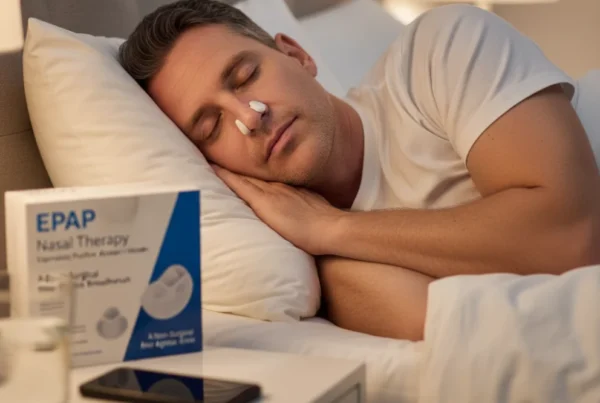


Positional therapy offers a simple, non-invasive way to treat sleep apnea by encouraging side-sleeping or head elevation. Special pillows and devices help maintain proper sleep positions naturally without bulky machines or complicated setups.
This approach works well for many patients with mild to moderate sleep apnea, especially those who mainly have problems when sleeping on their back. The treatment is cost-effective and gives patients control over their own care.
Sometimes the simplest solutions work the best. Dr. Elaine Wu at ReNEW Dental in Tewksbury, Massachusetts. She understands that not every sleep apnea patient needs complicated machines or surgery. With her summa cum laude DMD from Boston University and advanced training at the prestigious Kois Center, she knows that positional therapy can be amazingly effective for the right patients.
Think of positional therapy like training yourself to sleep in healthier positions. Just like you might use a special pillow for neck support, positional therapy devices gently encourage you to sleep on your side or keep your head elevated. This simple change can make a huge difference in keeping your airway open during sleep.
Dr. Wu’s commitment to science-based dentistry means she understands how body positioning affects breathing during sleep. Her Excellence in Implantology Award and advanced training reflect her dedication to exploring all effective treatment options that can improve patients’ lives without unnecessary complexity.
How Positional Therapy Changes Sleep Apnea Care
Positional therapy revolutionizes sleep apnea management by making treatment simple, focusing on prevention, and giving patients more control over their own care. This approach represents a major shift from traditional complex treatments to more intuitive and patient-friendly strategies.
The therapy simplifies the treatment process by avoiding bulky and invasive machinery. Devices like specialized pillows provide gentle guidance to help users adopt healthier sleeping positions naturally, without complicated setups or equipment that can disrupt your bedroom.
Reassessing Sleep Apnea Management: The Merits of Positional Therapy
Clinical studies show that positional therapy effectively reduces sleep apnea events and improves sleep quality for many patients. This growing evidence challenges us to reconsider our current treatment approaches and recognize positional therapy as a powerful option in sleep apnea care.
Research demonstrates that positional therapy significantly decreases the number of breathing interruptions experienced by patients. The simple approach of encouraging non-back sleeping positions can lead to marked improvements in clinical outcomes for individuals with positional sleep apnea.
Patients using positional therapy report feeling more rested upon waking, indicating deeper and less interrupted sleep cycles. This improvement in sleep quality suggests positive impacts on broader aspects of health and well-being that are often compromised in people with sleep disturbances.
The mounting clinical evidence is causing medical professionals and patients to consider positional therapy’s place alongside, or even instead of, traditional treatments like CPAP machines for appropriate candidates.
Clarifying the Truth About Positional Therapy
Some people think positional therapy is too simple to be effective, but this treatment is actually deeply rooted in solid science. These misconceptions can prevent patients from accessing a treatment that might work perfectly for their specific situation.
Positional therapy applies biomechanical principles by using specific body positioning to maintain open airways. The devices used are based on extensive research exploring the relationship between sleep positions and airway dynamics during different sleep stages.
Clinical trials and studies provide measurable data confirming the impact of proper positioning on keeping airways open during sleep. This substantial evidence contradicts claims that positional therapy lacks scientific support or is just a placebo effect.

Enhancing Treatment Personalization with Positional Therapy
Tailoring treatment to individual needs is essential in sleep apnea care, and positional therapy excels at this personalized approach. Its adaptability, non-invasive nature, and cost-effectiveness make it an excellent option for patient-centered healthcare that respects individual preferences and circumstances.
The therapy’s adaptability allows for adjustments that suit each patient’s unique sleeping habits and comfort needs. Different positioning options and devices facilitate individualized approaches to treatment, making it feel less like medical intervention and more like a natural part of healthy sleep hygiene.
Establishing a Supportive Framework for Positional Therapy
Successful positional therapy requires comprehensive support and guidance from healthcare providers. This involves patient education, clear usage instructions, and collaborative relationships with sleep specialists to ensure optimal outcomes for each individual patient.
Education forms the foundation of support for patients beginning positional therapy. Healthcare providers should offer comprehensive information explaining how the therapy works and its benefits, ensuring patients feel knowledgeable and confident about their treatment choice.
Clear, step-by-step instructions are vital for ensuring patients correctly implement positional therapy techniques. Detailed guidance on device use and care reduces patient anxiety and confusion, leading to higher success rates and better long-term adherence to treatment protocols.
Prioritizing Proactive Health Strategies in Dental Care
Incorporating proactive health measures within dental care enhances the impact of positional therapy for sleep apnea patients. This includes preventive strategies, comprehensive health assessments, and collaborative care approaches that ensure complete patient wellness rather than treating symptoms in isolation.
Preventive health strategies improve long-term outcomes for sleep apnea patients through routine screening during dental appointments. Early identification of risk factors allows intervention before complications develop, potentially preventing more severe sleep breathing disorders from progressing.
Understanding relationships between oral health issues like teeth grinding or jaw problems and sleep apnea leads to more targeted treatment approaches. Dental practitioners can recommend positional therapy devices that address both dental and sleep health needs simultaneously for comprehensive care.
Making Positional Therapy Work in Real Life
Positional therapy stands out in sleep apnea treatment through its simplicity, proven effectiveness, and patient-focused approach. These qualities make it invaluable for modern healthcare practices that prioritize patient comfort, autonomy, and practical solutions that fit into real-world lifestyles.
The simplicity of positional therapy contributes significantly to its success rates. Patients can easily understand and apply the treatment, resulting in high compliance compared to more complex interventions that require extensive training or daily maintenance routines.
The documented effectiveness of positional therapy comes from directly addressing root causes of sleep apnea episodes. Patients experience significant symptom reduction and improved sleep quality, cementing this approach as a reliable option in the range of available sleep apnea interventions for appropriate candidates.
Dr. Wu at ReNEW Dental emphasizes patient-centered care that aligns with contemporary healthcare ideals prioritizing comfort and autonomy. By offering treatments that resonate with patient preferences and empower self-management, dental professionals enhance care quality while positioning themselves as forward-thinking practitioners who understand that effective treatment must fit into patients’ actual lives.
The cost-effectiveness of positional therapy cannot be overlooked, especially when compared to expensive CPAP machines or surgical interventions. This economic accessibility ensures that financial barriers don’t prevent patients from accessing effective treatment, making quality sleep apnea care available to a broader range of people who need it.
ReNEW Dental
978-451-1500
1201 Main St. Tewksbury, MA 01876
Schedule your consultation today!
Frequently Asked Questions
What exactly is positional therapy and how does it help with sleep apnea?
Positional therapy treats sleep apnea by helping you sleep in positions that prevent airway blockage, primarily on your side rather than your back. Using special devices like pillows, wedges, or gentle positioning aids, it helps maintain these healthier positions during sleep, significantly reducing breathing interruptions and enhancing overall sleep quality.
Is positional therapy as effective as CPAP for sleep apnea?
For many patients with mild to moderate sleep apnea, especially those whose symptoms worsen when sleeping on their back, positional therapy can be as effective as CPAP machines. It’s a less invasive alternative that studies show can dramatically improve sleep quality and reduce breathing interruptions, though effectiveness varies by individual case severity.
Can positional therapy improve my day-to-day life?
Absolutely! By reducing breathing interruptions and improving sleep quality, positional therapy helps alleviate symptoms like daytime drowsiness, difficulty concentrating, and morning headaches. This leads to better energy levels throughout the day, improved mood, enhanced cognitive function, and an overall improvement in daily life quality and general health.