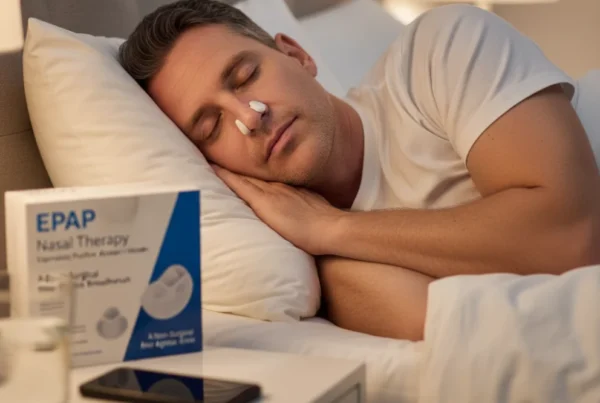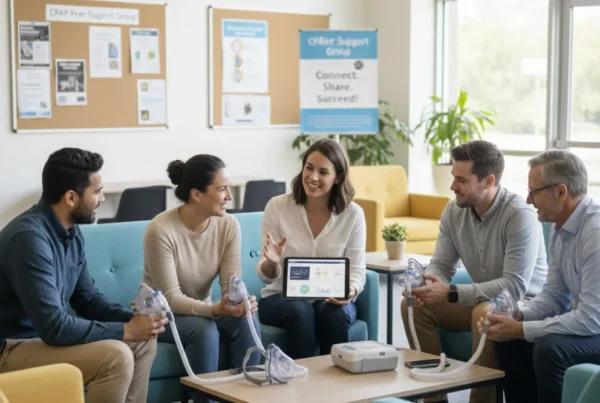


Hypoglossal nerve stimulation offers a safe, minimally invasive alternative for severe sleep apnea patients who struggle with CPAP machines. The device directly stimulates the tongue nerve to keep airways open during sleep without bulky equipment.
This innovative treatment works automatically with your natural sleep cycle and requires minimal patient interaction once implanted. While effective for appropriate candidates, proper evaluation by sleep specialists is essential to determine suitability.
Imagine a tiny device that could help you breathe better at night without wearing a mask or using a noisy machine. Dr. Elaine Wu at ReNEW Dental in Tewksbury, Massachusetts wants her patients to know about all the latest sleep apnea treatments, including something called hypoglossal nerve stimulation. With her summa cum laude DMD from Boston University and advanced training at the prestigious Kois Center, she stays informed about cutting-edge treatments even when she doesn’t perform them herself.
While Dr. Wu doesn’t do this particular procedure at ReNEW Dental, her commitment to comprehensive patient education means she understands how it works. Her 260-hour advanced training program and Excellence in Implantology Award show her dedication to knowing about all options that might help patients with sleep breathing problems.
Exploring the Innovations of Hypoglossal Nerve Stimulation
Think of hypoglossal nerve stimulation like a tiny coach for your tongue muscle. This amazing device works by sending gentle signals to the nerve that controls your tongue, helping keep your airway open while you sleep. It’s like having a personal trainer for the muscle that often causes sleep apnea problems.
The coolest thing about this system is that it learns your sleeping patterns and works automatically. Unlike CPAP machines that require you to wear masks and deal with hoses, this device works from the inside without any bulky equipment on your face or bedside table.
Addressing CPAP Limitations
Many people struggle with CPAP machines because the masks feel uncomfortable or claustrophobic. Some patients describe feeling like they’re wearing scuba gear to bed every night, which can make it really hard to fall asleep naturally. The hypoglossal nerve stimulator solves this problem by working completely internally.
Once the device is implanted, patients don’t have to remember to put anything on at bedtime or deal with mask adjustments during the night. It automatically detects when you’re breathing irregularly and gently stimulates the tongue nerve to keep your airway open, all while you sleep peacefully.
The freedom from nightly equipment setup makes this treatment much easier to stick with long-term. Patients often report feeling like they finally have their normal sleep back without the hassle of managing machines and masks every single night.
Enhancing Treatment for Severe OSA
For people with severe sleep apnea, regular treatments sometimes aren’t strong enough to solve the problem completely. Oral appliances that move your jaw or tongue might not work well for everyone because people’s mouths are shaped differently. Some patients find these devices uncomfortable or ineffective for their particular anatomy.
Hypoglossal nerve stimulation takes a different approach by directly controlling the tongue muscle through nerve signals. This method can adapt to each person’s unique airway structure because it works with your body’s natural systems rather than trying to force your mouth into a certain position.
The device can be programmed specifically for each patient’s needs, making it much more personalized than one-size-fits-all solutions. This customization is especially helpful for people with severe sleep apnea who haven’t found relief with other treatments.
Establishing a Safe Alternative
One of the biggest concerns people have about sleep apnea surgery is safety and recovery time. Traditional surgeries can be quite invasive, involving changes to throat tissues that might cause pain and lengthy healing periods. Many patients avoid treatment altogether because they’re worried about surgical complications.
Hypoglossal nerve stimulation is much less invasive than traditional sleep apnea surgeries. The procedure targets just the nerve that controls tongue movement without making major changes to surrounding tissues, which means less pain and faster recovery for most patients.

Strategizing Patient-Centered Care with HNS
Getting hypoglossal nerve stimulation isn’t just about the surgery itself. It requires a whole team of specialists working together, including sleep doctors, surgeons, and other healthcare providers. This team approach ensures patients get the best possible care from start to finish.
The device comes with sophisticated tracking technology that monitors how well it’s working and whether patients are getting better sleep. This information helps doctors make adjustments to optimize the treatment for each person’s specific needs.
Patients can also have their device settings customized based on their individual sleep patterns and preferences. This personalization makes the treatment more effective and helps patients feel more involved in their own care, which often leads to better long-term success.
Selecting Candidates for HNS
Not everyone with sleep apnea is a good candidate for hypoglossal nerve stimulation. Doctors look for specific criteria to determine who might benefit most from this treatment. Usually, the best candidates are people who have tried CPAP machines but couldn’t tolerate them or didn’t get good results.
Before recommending this treatment, specialists perform detailed evaluations including special sleep studies. One important test called drug-induced sleep endoscopy lets doctors see exactly how a patient’s airway behaves during sleep, which helps predict whether the nerve stimulation will be effective.
Professional Support in HNS Therapy
Getting hypoglossal nerve stimulation involves working with a team of specialists who guide patients through every step of the process. Sleep medicine doctors, ENT surgeons, and other professionals work together to provide comprehensive care from evaluation through long-term follow-up.
Patient education plays a huge role in successful treatment outcomes. The medical team provides detailed information about how the device works, what to expect during recovery, and how to maintain the system over time for optimal results.
Preparing mentally for the procedure is just as important as the physical aspects. Healthcare teams help patients understand what they’re committing to and develop realistic expectations, which contributes significantly to overall satisfaction with the treatment.
Forging Preventive Pathways
Success with hypoglossal nerve stimulation depends on careful planning and ongoing monitoring. The process begins with thorough screening to make sure patients are good candidates, followed by comprehensive education about proper device use and care.
Regular follow-up appointments are essential for maintaining optimal results. During these visits, doctors can adjust device settings, monitor effectiveness, and address any concerns that arise, ensuring the treatment continues working well over time.
Understanding Treatment Limitations and Considerations
While hypoglossal nerve stimulation sounds amazing, it’s important to understand that this treatment isn’t right for everyone. Patients must meet specific health criteria and have the right type of sleep apnea anatomy to be considered good candidates for this procedure.
The treatment requires surgical implantation, which means patients need to be healthy enough for surgery and committed to regular follow-up care. The device also needs periodic adjustments and monitoring to maintain effectiveness over the years.
Dr. Wu at ReNEW Dental helps patients understand all their sleep apnea treatment options, including less invasive alternatives like oral appliances. These custom-fitted devices can be highly effective for many patients with mild to moderate sleep apnea and don’t require surgery. Oral appliances work by gently repositioning the jaw or tongue to keep airways open during sleep, offering a comfortable middle ground between CPAP machines and surgical interventions.
For patients interested in exploring hypoglossal nerve stimulation, consultation with experienced sleep medicine specialists and ENT surgeons who specialize in this treatment is essential. However, many patients find that starting with oral appliances provides excellent results without the need for more complex interventions, making them worth considering as a first-line treatment option.
ReNEW Dental
978-451-1500
1201 Main St. Tewksbury, MA 01876
Schedule your consultation today!
Frequently Asked Questions
Is hypoglossal nerve stimulation safe for treating sleep apnea?
Clinical studies show hypoglossal nerve stimulation has a strong safety record with minimal complications when performed by experienced specialists. Like any surgical procedure, there are risks that should be thoroughly discussed with qualified doctors, but many patients find it much safer than traditional sleep apnea surgeries.
Will patients feel comfortable during HNS therapy?
Most patients find the therapy very comfortable once they adjust to it. The device works automatically without requiring any nightly interaction, and many people report sleeping more naturally than they ever did with CPAP machines. There may be a brief adjustment period initially as patients get used to the sensation.
How effective is HNS compared to CPAP machines?
For properly selected patients who struggle with CPAP compliance, hypoglossal nerve stimulation can be highly effective at reducing sleep apnea symptoms. Success depends greatly on careful patient selection and proper device programming by experienced specialists who understand this advanced technology.