

Complex orthodontic cases involve much more than just straightening slightly crooked teeth. These situations present unique challenges that require precision, patience, and advanced treatment planning to achieve successful outcomes.
Severe bite problems represent one major category of complex cases. This includes pronounced overbites, underbites, or crossbites that significantly affect how your teeth come together when you bite. Each type creates distinct challenges that require specialized approaches to correct effectively.
Dental crowding adds another layer of complexity when there’s not enough space in your jaw for all your teeth. This situation requires careful management to create room while guiding teeth into proper positions. The process involves strategic movement planning to avoid creating additional problems.
Rarely, complex orthodontic treatment requires tooth extractions to achieve the best alignment. After extractions, the remaining teeth need careful guidance to fill gaps properly while maintaining a balanced, functional bite throughout your mouth.
How Clear Aligners Have Evolved for Complex Cases
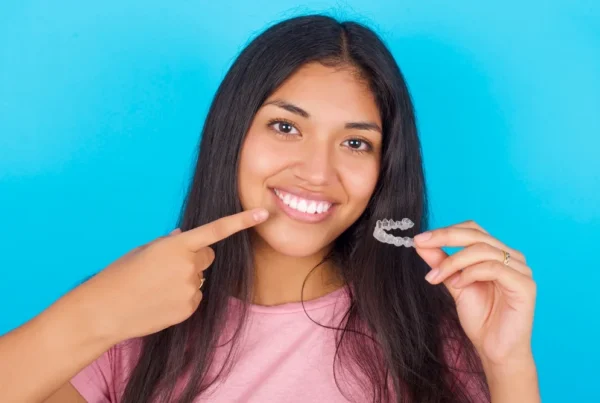
The world of clear aligners has changed dramatically over the past few years. What started as a solution for minor tooth movements has expanded to address increasingly complex orthodontic challenges that were once only treatable with traditional braces.
Modern clear aligners use advanced science and sophisticated software to create dynamic, personalized treatment plans. The technology now understands how your teeth respond to pressure and can predict movement patterns with remarkable accuracy.
The planning software captures detailed maps of your entire mouth, enabling truly customized approaches for each individual case. This precision allows orthodontists to adapt treatment as your teeth move and respond throughout the process.
Improvements in materials and engineering have enabled clear aligners to perform complex adjustments previously only possible with metal braces. Enhanced material strength and precision fitting have expanded their capabilities significantly, making them viable options for more challenging cases.
Understanding When Clear Aligners Can Handle Complexity
Not every complex case is automatically suitable for clear aligner treatment, but the range of treatable conditions continues to expand. The key is careful evaluation of your specific situation and realistic assessment of what aligners can accomplish.
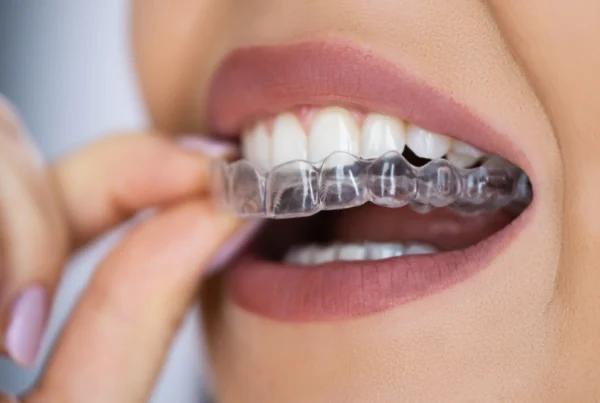
Clear aligners excel in many areas of complex treatment, particularly regarding patient comfort and convenience. Unlike traditional braces, aligners are removable and nearly invisible, which appeals to patients who prefer less obvious treatment options.
Treatment duration with aligners often matches traditional braces for many complex cases. This challenges the old assumption that less invasive methods automatically require longer treatment times, making aligners increasingly attractive for comprehensive orthodontic correction.
The Realistic Limitations of Clear Aligners
Even with remarkable advances, clear aligners do have limitations when it comes to certain complex movements. Understanding these boundaries helps set realistic expectations and guides treatment planning decisions.
Detailed three-dimensional movements can challenge aligner capabilities, particularly when rotating molars or premolars with deep roots. These teeth require very specific forces that aligners must be precisely calibrated to provide effectively.
Significant tooth angle corrections represent another area where aligners may have constraints. While minor adjustments are often manageable, major angle changes require careful consideration of aligner design and treatment sequencing.
Understanding these limitations helps orthodontists make informed decisions about treatment approaches. By acknowledging what aligners can and cannot accomplish, practitioners can set appropriate expectations and ensure you receive the most effective treatment possible.
Key factors that influence clear aligner success in complex cases include:
- Severity and type of bite problems requiring correction and specific movement patterns needed
- Root depth and tooth anatomy affecting how easily teeth can be moved or rotated
- Amount of space available and whether extractions are necessary for proper alignment
- Patient compliance with wearing aligners the recommended 20-22 hours per day
- Complexity of three-dimensional movements required to achieve optimal positioning
These factors work together to determine whether clear aligners represent the best treatment option for your specific orthodontic needs. Honest assessment of these elements leads to better treatment outcomes and patient satisfaction.
Alternative Approaches When Aligners Aren’t Enough
When orthodontic cases exceed clear aligner capabilities, experienced practitioners have several strategic options available. These alternatives ensure you receive the most effective treatment regardless of your case complexity.
One effective approach combines clear aligners with conventional metal braces during different treatment phases. This hybrid method utilizes the strengths of both systems, using aligners for appropriate movements while employing braces where more substantial force is needed.
Supportive orthodontic devices can supplement aligner treatment when additional corrective power is required. Devices like palatal expanders or temporary support devices provide extra help for movements that aligners alone cannot accomplish effectively.
The key is matching the treatment method to your specific needs rather than trying to force one approach to work for every situation. Experienced orthodontists evaluate all options to recommend the most effective combination of techniques.

The Changing Perception of Clear Aligners
The orthodontic profession’s view of clear aligners has evolved significantly as clinical research continues to demonstrate their effectiveness. Growing acceptance among specialists reflects increasing confidence in aligner technology for complex cases.
This transformation is driven by accumulating clinical evidence from successful treatments. As more studies confirm aligner effectiveness in various challenging situations, professional skepticism has given way to evidence-based confidence in the technology.
Continuing education and research help practitioners stay current with advancing capabilities. This ongoing learning process ensures that patients benefit from the latest developments in clear aligner treatment approaches and techniques.
At ReNEW Dental, staying current with orthodontic advances ensures patients receive the most appropriate and effective treatment options. The practice incorporates proven innovations while maintaining realistic expectations about what each treatment method can accomplish.
Making the Right Choice for Your Complex Case
Choosing the best treatment approach for complex orthodontic needs requires careful consideration of multiple factors. The decision involves balancing treatment goals, lifestyle preferences, and realistic expectations about outcomes and timelines.
Your orthodontist will evaluate the specific conditions affecting your teeth and bite. This assessment includes examining the severity of misalignment, the complexity of required movements, and whether clear aligners can deliver the results you’re seeking.
Lifestyle factors also influence treatment decisions significantly. If discretion is important for your professional or social life, clear aligners might be preferred even if treatment takes slightly longer. Alternatively, faster results might outweigh appearance concerns for some patients.
Technology Advancing Clear Aligner Capabilities
Continuous improvements in clear aligner technology expand treatment possibilities for increasingly complex cases. These advances benefit patients by providing more options while maintaining the appearance and comfort advantages of aligners.
Advanced treatment planning software creates highly detailed movement predictions and staging. This precision allows orthodontists to visualize each step of treatment and make adjustments as needed throughout the process.
Material improvements enhance aligners’ ability to apply appropriate forces for complex movements. Stronger, more flexible materials can deliver the precise pressure needed while maintaining comfort during extended wear periods.
Research continues to expand understanding of tooth movement mechanics and the best force application. This growing knowledge base helps refine treatment protocols and improve success rates for challenging orthodontic cases.
Essential technological advances enhancing clear aligner treatment include:
- Sophisticated 3D treatment planning software enabling precise movement prediction and staging
- Advanced materials providing optimal force delivery while maintaining patient comfort
- Improved attachment systems allowing better control of complex tooth movements
- Enhanced monitoring capabilities tracking progress and enabling timely adjustments
- Research-based protocols optimizing treatment approaches for various case types
These technological improvements continue expanding the range of cases suitable for clear aligner treatment. Ongoing development promises even greater capabilities and success rates in the future.
Your Path to Successful Complex Orthodontic Treatment
Complex orthodontic cases require expertise, advanced technology, and realistic treatment planning to achieve the best results. The good news is that modern treatment options, including advanced clear aligners, provide more choices than ever before.
Clear aligners have earned their place as legitimate options for many complex orthodontic conditions. Their success depends on proper case selection, expert treatment planning, and patient commitment to following treatment protocols consistently.
The evolution of orthodontic treatment means you don’t have to settle for traditional approaches if other options might work better for your lifestyle and preferences. However, the most important factor remains choosing the treatment most likely to achieve your desired results effectively.
Ready to explore your options for complex orthodontic treatment? Contact ReNEW Dental in Tewksbury today to discuss whether clear aligners or other advanced treatment approaches could help you achieve the smile you’ve always wanted.
ReNEW Dental
978-451-1500
1201 Main St. Tewksbury, MA 01876
Schedule your consultation today!
Frequently Asked Questions
Can clear aligners treat severe orthodontic problems?
Yes, modern clear aligners can effectively handle many severe orthodontic conditions thanks to significant advances in technology and treatment techniques. The key is proper evaluation to determine if your specific case is suitable for aligner treatment.
Are clear aligners a better choice than braces?
Clear aligners offer comparable effectiveness to traditional braces for many complex cases, with added benefits of being nearly invisible and more comfortable. The best choice depends on your specific orthodontic needs and lifestyle preferences.
Will my dentist recommend clear aligners for me?
Your dentist will recommend the most effective treatment based on your case complexity and specific needs. Clear aligners might be an excellent option, but the decision depends on achieving the best possible results for your situation.